
Vagus Nerve Treatment with Craniosacral Therapy in New York City
The vagus nerve is one of the most complex nerves in the human body, helping to control and regulate important functions such as breathing, respiration, digestion, heart rate, and hormone control. Gentle, hands-on Craniosacral Therapy in Midtown Manhattan supports the nervous system so your body can move toward calm, balanced function.
Hands-on, gentle care in Midtown Manhattan
Craniosacral Therapy, myofascial release, and supportive techniques tailored to your needs — complementary to, never a replacement for, medical care.
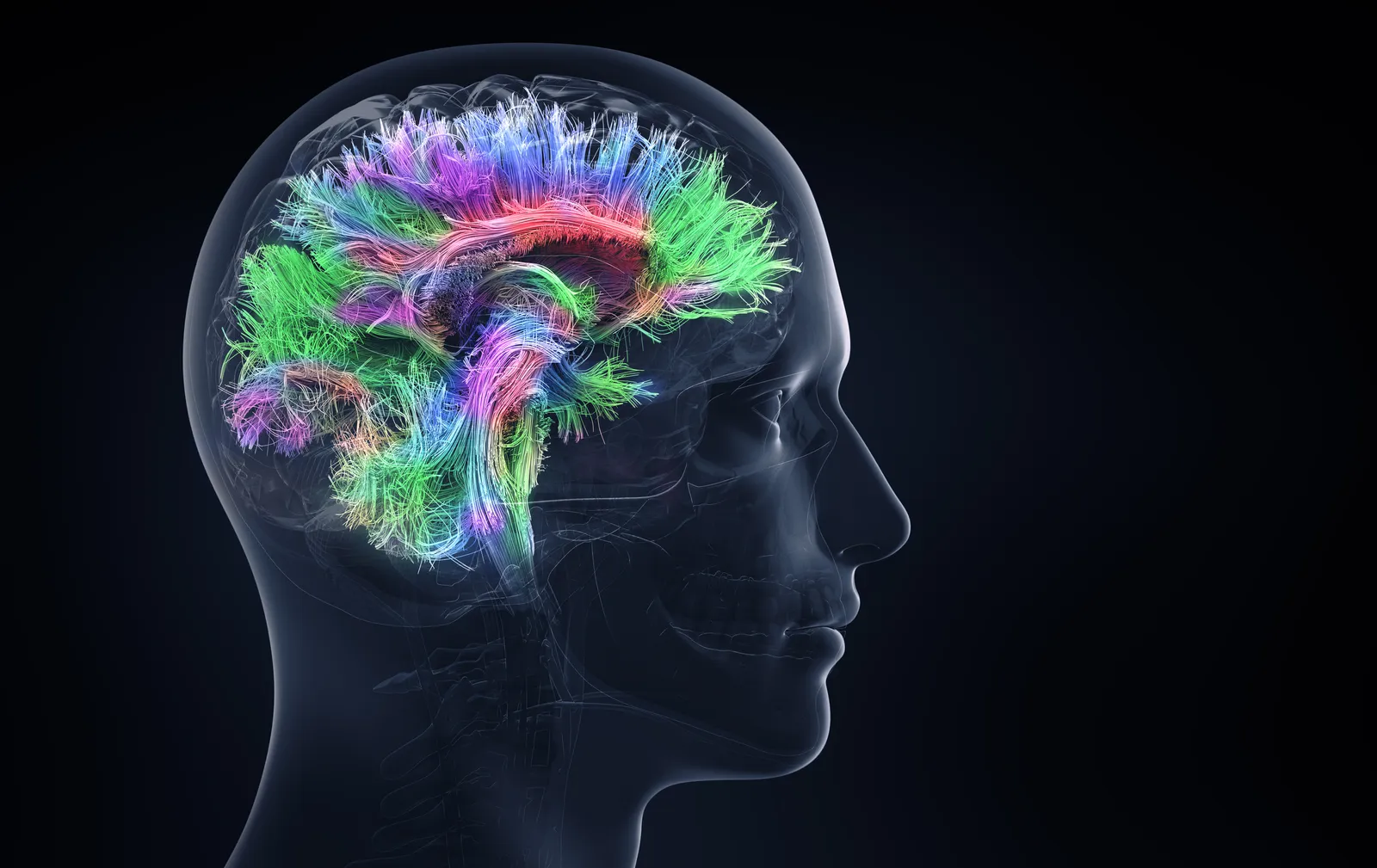
Vagus nerve support for whole-body balance
The vagus nerve is one of the most complex nerves in the human body, regulating essential functions such as breathing, digestion, heart rate, and hormone control. Because the brain uses it to send information to the body's organs, the vagus nerve is the link between our mental and physical health — often called the "mind-body connection."
The vagus nerve also has a tremendous impact on the immune system, the gut, and mental health. In its role of seeking balance — anything from controlling the resting heart rate to swallowing and digesting food — it carries out several basic functions:
- Decreasing inflammation
- Producing anti-stress hormones
- Keeping the lungs breathing
- Supporting immune and stem cell function
When the vagus nerve is compressed or out of alignment, a range of unwelcome symptoms can arise that disturb daily life and overall health. As a Craniosacral Therapist, Dr. Kaminsky assesses the nervous system for anything interfering with the proper functioning of the vagus nerve, then works gently to support its return to healthy, balanced function.
The vagus nerve in the body
The vagus nerve is the longest cranial nerve, traveling from the brainstem through the body and connecting the brain to organs in the chest and abdomen.
Its name, derived from Latin, means "wandering," reflecting its pathway from the brainstem through the body, where it connects the brain to various internal organs — including nearly every gland in the thorax and abdomen.
- About 80% of the vagus nerve's neurons are sensory and report organ status back to the brain.
- It helps regulate breathing, digestion, heart rate, and hormone control.
- It supports parasympathetic "rest and digest" function.
Vagus nerve toning is one part of the broader goal of nervous system regulation — helping the body move flexibly between activation and rest.
Signs of vagus nerve dysfunction
Symptoms of vagal tone dysfunction can vary and may include:
- Increased anxiety and nervousness
- Seizures and pain
- Poor digestion and lower immune response
- Increased inflammation
- Difficulty swallowing and speech challenges
- Unusual heart rate or breathing patterns
- Abdominal issues, such as bloating or acid reflux
- Blood pressure and blood sugar fluctuations
- Dizziness, hoarseness, or unexplained weight loss
- Nausea or unexplained neurological symptoms
Many of these symptoms have a number of possible causes. They are not specific to the vagus nerve and are not a diagnosis. If you experience seizures, an unusual heart rate, difficulty swallowing, fainting, dizziness, unexplained weight loss, or other concerning warning signs, please see a physician promptly. Craniosacral Therapy is complementary and does not replace medical evaluation.
Sympathetic and parasympathetic: a balancing act
The vagus nerve is classified as a parasympathetic nerve. One of its jobs is to relax or reduce the body's stress and activities — slowing the heart rate and other responses — and to support digestion, including increasing saliva release. Its most important function is bringing information from the liver, gut, heart, lungs, and other organs back to the brain.
By contrast, the sympathetic nervous system carries the "fight-or-flight" response, sending signals that put the body's systems on high alert. Internal stability and balance — hormone secretion, circulation, respiration, digestion, and more — depend on these two contrasting activities staying in balance to maintain the body's homeostasis, or equilibrium.
When the scales tip
It is a shared "balancing act." Interferences such as stress, spinal subluxation, a negative experience, trauma, or an accident can tip the scales and have a broad, far-reaching effect on both mental and physical health. When the sympathetic nervous system is activated by trauma or imminent danger, it acts defensively and elevates the body systems it governs — heart rate, blood flow, and others — to be on high alert and ready to respond.
As long as these high-alert moments are brief, the vagus nerve is healthy, and you are living a healthy lifestyle, the parasympathetic nervous system de-escalates things and signals the body to rest, digest, and repair, counterbalancing the fight-or-flight system and returning you to a healthy state of homeostasis. Because the two branches of the autonomic nervous system are like scales seeking balance, they cannot both be activated at the same time — the body triggers one at a time: alert or relax.
Getting stuck in "high alert"
Should this intricate, delicate balance be interrupted by physical trauma or emotional stress for an extended period, the nervous system can become chronically sympathetic-dominant and shift toward the most primitive form of defense — immobilization — and get stuck there, keeping you living around the clock in a state of high alert. This can be associated with high blood pressure, elevated stress hormones, anxiety, insomnia, and a host of physiological and psychological problems. Humans have not evolved to use this primitive defense on a regular, sustained basis, and we are not good at shifting from immobilization back to balanced homeostasis.
When these primitive vagus nerve pathways stay heavily tilted toward the sympathetic system for prolonged periods and become entrenched, it can be very hard for the nervous system to move back into a state of feeling safe — without professional, therapeutic support. Using what is known about the vagus nerve and the central nervous system, Dr. Kaminsky aims to help the body get unstuck from a stressful, sympathetic-dominant state and move back toward a healthy, balanced homeostasis.
Supporting vagal tone with gentle care
As a qualified Craniosacral Therapist, Dr. Kaminsky assesses the nervous system for factors hindering the vagus nerve's proper functioning, then works gently to support balance and recovery.
- Craniosacral Therapy engages the cranial nerves, particularly the vagus nerve (cranial nerve #10).
- It can help shift the nervous system out of a fight-or-flight, sympathetic-dominant state.
- Over a few sessions it may help "rewire" the nervous system by increasing vagal tone.
- It promotes sympathetic-parasympathetic homeostasis, or body-system equilibrium.
- The focus is on gentle, natural healing — stimulating the flow of cerebrospinal fluid (CSF).
Craniosacral Therapy and vagus nerve function
Craniosacral Therapy aims to address vagus dysfunction symptoms through natural healing, with a focus on stimulating the flow of cerebrospinal fluid (CSF).
Research has indicated that Craniosacral Therapy focusing on the vagus nerve at the level of the neck — directly adjacent to the atlas (C1) vertebra — can stimulate the vagus nerve enough to help quiet an over-stimulated sympathetic nervous system and restore under-stimulated parasympathetic, calming activity. This research concluded that the therapy essentially removed "pressure" from the vagus nerve, restoring proper function. It also documented an immediate reduction in inflammation, lowered blood pressure, and later signs of reduced anxiety, stress, and depression among participants in the study.
The healthier your vagus nerve response, the more likely and faster you are to recover after feeling stress. This is why the vagus nerve is sometimes referred to as the body's internal brake pedal, able to help subdue levels of anxiety, depression, and stress, among other things. Research published in the journal Neuroscience & Biobehavioral Reviews determined that improved functioning of vagal tone can result in promoting emotional resilience. Other research has indicated that reinvigorating the health of the vagus nerve should be a first-line treatment for both cluster and migraine headaches.
Medical research has linked many chronic diseases to altered vagus nerve function, which can be assessed and detected through vagal tone or heart rate variability readings.
Descriptions of research above are drawn from the practice's source material and are provided for general education. Craniosacral Therapy is a gentle, non-invasive, complementary approach. It is not a cure, results vary from person to person, and it does not replace medical diagnosis or treatment. Discuss any health concern, and any treatment for headaches or chronic conditions, with your physician.
Vagal tone and stress recovery in New York City
One of the primary ways to assess how the vagus nerve is functioning is by measuring vagal tone. Vagal tone reflects the activity level of your vagus nerve, and the strength of your vagal tone is measured by how quickly your body can relax after stress.
Vagal tone is determined by measuring your heart rate alongside your breathing rate. Your heart rate accelerates a little when you inhale and slows down somewhat when you exhale. The greater the difference between your inhalation heart rate and your exhalation heart rate, the greater your vagal tone. A high-level vagal tone indicates your body can return to a relaxed state faster after a stressful event.
Benefits associated with a higher vagal tone
- Regulating blood glucose levels more accurately.
- Lowering the likelihood of conditions such as stroke, diabetes, or other cardiovascular diseases.
- Helping lower blood pressure and reduce headaches.
- Improving digestion through better production of stomach enzymes.
- Being associated with feeling less anxiety and an improved mood.
- Recovering quickly after physical, mental, or emotional stress.
We all face stressors every day — physical stress from a workout, mental stress from work, or emotional stress involving the people we love. Learning to navigate and respond to them appropriately is essential for maintaining physical and mental well-being. In serving patients, Dr. Kaminsky has often found a spinal misalignment, or subluxation, in the upper cervical (neck) and head region, which is very treatable with gentle Craniosacral Therapy.
Vagus nerve and Craniosacral Therapy FAQ
What is the vagus nerve?
The vagus nerve is the longest cranial nerve and one of the most complex nerves in the body. Its name comes from the Latin for "wandering," reflecting how it travels from the brainstem through the body to connect the brain with organs in the chest and abdomen, including nearly every gland in the thorax and abdomen. About 80% of its neurons are sensory, reporting the status of your organs back to the brain. It is a parasympathetic nerve that helps regulate breathing, digestion, heart rate, and hormone control.
What are the signs of vagus nerve dysfunction?
Reported signs can vary and may include increased anxiety and nervousness, seizures and pain, poor digestion and lower immune response, increased inflammation, difficulty swallowing and speech challenges, unusual heart rate or breathing patterns, abdominal issues such as bloating or acid reflux, blood pressure and blood sugar fluctuations, dizziness, hoarseness, unexplained weight loss, nausea, or unexplained neurological symptoms. These symptoms can have many causes, so see a physician for diagnosis and for any warning signs.
How does Craniosacral Therapy support the vagus nerve?
Craniosacral Therapy is a gentle, hands-on approach that engages the cranial nerves, including the vagus nerve (cranial nerve #10). It focuses on stimulating the flow of cerebrospinal fluid and can help shift the nervous system out of a fight-or-flight, sympathetic-dominant state. Over a few sessions this may help "rewire" the nervous system by increasing vagal tone and promoting sympathetic-parasympathetic homeostasis.
What is vagal tone and why does it matter?
Vagal tone refers to the activity level of your vagus nerve and is measured by heart rate variability in relation to breathing. Your heart rate speeds up a little when you inhale and slows when you exhale; the greater the difference, the higher your vagal tone. A higher vagal tone means your body returns to a relaxed state faster after stress and is associated with better blood glucose regulation, lower blood pressure, improved digestion, less anxiety, and better mood.
Does Craniosacral Therapy cure vagus nerve problems?
No. Craniosacral Therapy is a gentle, non-invasive, complementary approach. It does not diagnose, cure, or replace medical care, and results vary from person to person. Dr. Kaminsky assesses the nervous system for factors that may interfere with vagus nerve function and works to support balance. Always consult a physician for diagnosis and treatment of any medical condition.
Interested in having your vagus nerve health assessed?
If you are noticing signs or symptoms of vagus nerve issues, or are simply interested in having the health of your vagus nerve assessed and supported with gentle care, call the office or send a request. The practice will follow up to discuss your questions, availability, and next steps.