Pediatric Craniosacral Therapy
Gentle, non-invasive support for newborns, infants, children, and teens across Midtown Manhattan.
About pediatric care +
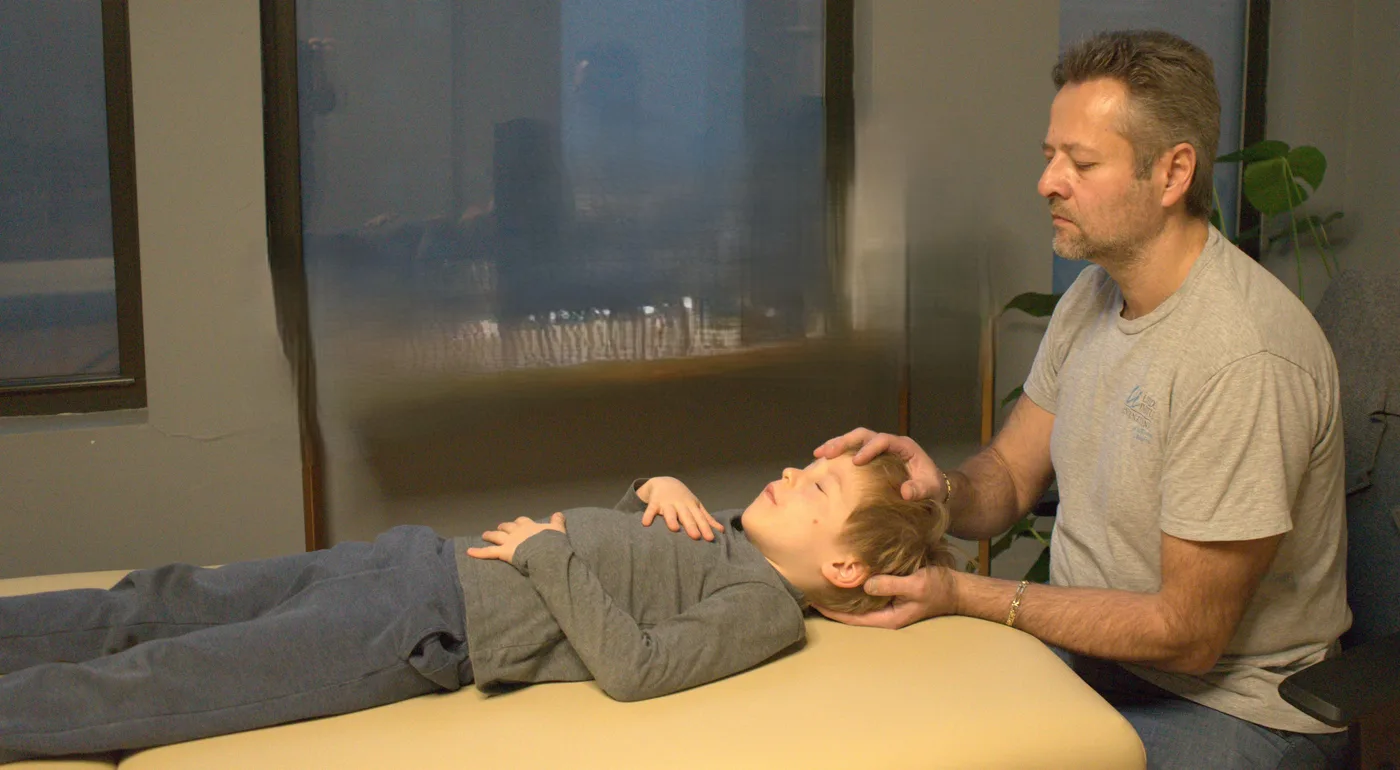
Ear infections are common in babies and young children, yet they are often painful and disruptive. Craniosacral Therapy (CST) is a gentle, hands-on, non-invasive approach that aims to support healthy drainage around the head and neck, improve comfort, and help reduce the recurring tension patterns that can affect the ears.
Dr. Alex Kaminsky, D.C. · Certified Craniosacral Therapist · treating patients for over 25 years · Midtown Manhattan
This information is educational and complementary. It does not replace pediatric medical care. Always consult your child's healthcare provider, especially for fever, severe pain, or recurring infections.
It is estimated that nearly 75 percent of children under the age of three years will experience at least one ear infection. In fact, ear infections are among the most common reasons children are taken to their pediatrician. For families across New York City and Midtown Manhattan, they are a frequent and frustrating part of early childhood — often arriving alongside a cold, disturbing sleep, and leaving parents searching for ways to make their child more comfortable.
An ear infection occurs when there is fluid build-up and inflammation in the middle ear. When that fluid stagnates rather than draining away, bacteria can build up within the ear, creating pain and discomfort. Because the problem centers on fluid that is not moving as it should, supporting healthy drainage and reducing congestion become central themes in care.
The middle ear is designed to stay clear and well drained. When fluid does not move efficiently, pressure rises and the risk of infection can increase. A gentle, hands-on approach looks at the structures and tissues around the head and neck that influence how readily that fluid can drain — rather than focusing on the ear in isolation.
A bacterial or viral infection in the middle ear often follows congestion of fluid and less-than-optimal lymphatic flow around the head and neck. Allergies, the flu, and common colds can increase fluid production and cause swelling of the nasal passages, the throat, and the eustachian tubes — all of which can interfere with normal drainage.
Symptoms of fluid stagnation can develop quickly. In older children and adults, the most common symptoms include:
Younger children cannot always tell you what hurts, so it helps to watch for behavioral and physical cues:
See your pediatrician for warning signs. If symptoms persist, your child is in significant pain, the fever is high or concerning, or fluid drains from the ear, consult your pediatrician promptly. Craniosacral therapy is supportive, complementary care — it does not diagnose, treat, or replace medical evaluation of an ear infection.
Antibiotics are generally the first line of treatment when a child is seen for an ear infection. A physician may also recommend over-the-counter pain relief, ear drops, the application of heat, and other interventions. These medical approaches remain the foundation of care, and decisions about them belong with your child's healthcare provider.
Alongside medical care, Pediatric Craniosacral Therapy and other gentle, alternative manual techniques may help reduce recurring ear infections and improve comfort. From a hands-on perspective, two related factors are commonly considered:
Craniosacral Therapy aims to reduce tension patterns throughout the body and support more normal muscular physiology. Gentle spinal work can reduce stress-related interferences and support overall body function. The goal is not to force a change but to help the body return toward its own normal physiological balance.
It is important to understand that imbalance in the internal cranial tissues can influence the structure and integrity of the eustachian tube — the small channel that drains fluid and mucus from the middle ear into the back of the throat. When that channel cannot do its job, fluid lingers and pressure builds.
For babies and children who suffer with ear infections, craniosacral treatment focuses on fluid flow, realignment, and balance of the cranial and facial structures that correlate to the eustachian tubes. It is critical that the eustachian tubes remain freely mobile and able to drain the middle ear.
Craniosacral Therapy has effectively treated children suffering from chronic ear infections. Treatment can address stressors that burden the immune and nervous system and may drive increased susceptibility to infection. These stressors are addressed by gently releasing restrictions and easing fluid-flow congestion in the cranium and ears.
Very common. It is estimated that nearly 75 percent of children under the age of three will experience at least one ear infection, and ear infections are among the most common reasons children are taken to their pediatrician.
No. Craniosacral therapy is a gentle, non-invasive, complementary approach. It does not diagnose, cure, or replace medical care. It aims to support healthy drainage and ease tension patterns around the head and neck so the body can function more normally. Results vary from child to child.
From a hands-on perspective, spinal and cranial misalignment can pull on neck muscles and create fascial tension in the drainage canals of the head and neck that affect the eustachian tubes. Craniosacral therapy aims to reduce these tension patterns, support more normal muscular physiology, and ease fluid-flow congestion in the cranium and ears.
Always involve your child's healthcare provider. Seek medical attention if symptoms persist, your child is in significant pain, there is a high or concerning fever, fluid or pus drains from the ear, or you have any worry about your child's hearing or wellbeing. Craniosacral therapy is supportive care, not a substitute for medical diagnosis or treatment.
Yes. Sessions use light, focused hand placement and are quiet and non-invasive, which makes them comfortable for infants and young children. Dr. Kaminsky only accepts patients he is confident he can help.
Call the office or send a request and the practice will follow up to discuss your child's history, your questions, availability, and next steps. Care is offered at 36 East 36th Street, Ste 201, NYC 10016.