
Craniosacral Therapy for Children with Learning Disabilities in New York City
Learning disorders are estimated to affect somewhere between 3% and 10% of school-aged children in the U.S. Dr. Alex Kaminsky offers gentle, hands-on craniosacral therapy in Midtown Manhattan as a calming, complementary support for the central nervous system — alongside the educational and medical care your child already receives.
Dr. Alex Kaminsky, D.C. · Certified Craniosacral Therapist · over 25 years of care
Light-touch craniosacral therapy and supportive techniques, tailored to each child — never forceful, never a substitute for diagnosis or treatment.
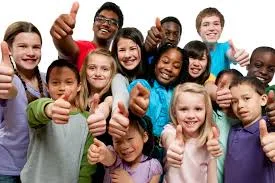
Learning disabilities and nervous-system function
Learning disorders primarily originate in the brain, which is why they are understood as central nervous system dysfunctions. They are thought to be influenced by nerve interference or by cranial and vertebral misalignments — what chiropractors call subluxations. Because so much of how a child reads, calculates, listens, and responds depends on how clearly the brain receives and interprets signals, the quality of that neural communication matters a great deal.
Dr. Alex Kaminsky suggests that any positive effects on learning challenges may have something to do with improving function in the cerebellum. Many references describe the cerebellum as simply the seat of motor coordination, posture, and balance — but that has long been recognized as a limited view. Among mammals, humans have the largest cerebellum relative to the rest of the brain, and it is involved in coordinating not only motor function, but also sensation, language, emotion, and social function. Supporting how this region works is one reason gentle, hands-on care is considered here.
What craniosacral therapy is — and is not
Craniosacral therapy is a gentle, non-invasive, hands-on approach that uses very light contact to support mobility and balance in the cranium, spine, and surrounding membranes. It is offered as a complement to the educational, psychological, and medical care your child already receives. It is not a cure, it does not guarantee results, and it does not replace evaluation, diagnosis, or treatment by qualified professionals.
Please note: A learning disability should be evaluated by your pediatrician, psychologist, or educational specialist. Craniosacral therapy is complementary and does not diagnose or treat any condition. Results vary from child to child. Seek medical attention promptly for warning signs such as a head injury, seizures, loss of previously gained skills, or sudden changes in behavior, vision, or speech.
The cerebellum, coordination, and learning
The cerebellum is most often associated with motor coordination, posture, and balance — but its role reaches further. In humans it is unusually large relative to the rest of the brain, and it helps coordinate the timing and sequencing that learning tasks depend on, while also influencing sensation, language, emotion, and social engagement.
- Supports the timing and sequencing involved in learning tasks.
- Helps coordinate sensory input with motor output.
- Influences language, emotion, and social engagement.
Why alignment may matter
Dr. Pauli concluded that spinal misalignments “alter the quality and quantity of neural inputs to the central nervous system and result in an asymmetric function of brain hemispheres, thus preventing the achievement of temporal coherence between the two hemispheres.” In plain terms, when the messages reaching the brain are uneven, the two halves of the brain may work less smoothly together.
- Spinal misalignments can alter neural input to the brain.
- Asymmetry between brain hemispheres may affect processing.
- Gentle care is intended to help support more balanced communication.
These observations are based on clinical experience and existing literature, and individual results vary.
Cranial misalignment and brain signaling
The principle of subluxation in the spine is that misaligned vertebrae pinch on peripheral nerves, causing either pain or malfunction. The same principle is applied to the head, or cranium. When the cranium is out of balance, three kinds of interference are described:
- Pressure directly on the brain, interfering with its ability to function.
- Pressure on the nerves coming to and from the brain, interfering with communication.
- Decreased blood supply to the brain, further impairing its function.
Together, these factors are thought to produce a brain that is unable to function at its full potential. When that happens, the brain may misinterpret the messages coming from the peripheral nerves in response to various stimuli and send inappropriate messages back to different parts of the body. This can show up as behavior that seems out of step, incorrect answers, misinterpretation of instructions, and reactions that seem unrelated to the information at hand.
A gentle reduction of spinal misalignment through chiropractic care may help restore proper joint and central nervous system function and support overall motor balance. Craniosacral therapy — an area in which Dr. Kaminsky specializes — is also used with children facing learning challenges, working softly with the cranium and the membranes around the brain and spinal cord.
A few important facts about the skull
The reason gentle cranial work is possible at all comes down to how the skull is put together:
- The bones in the cranium do not fuse together.
- They are joined by sutures — the seams where the individual plates of bone attach — which remain movable.
- The sutures cannot be pulled apart, but the bones of the cranium can jam up, overlap, or compress together.
Because these joints stay mobile, very light, sustained contact can be used to encourage ease and balance where the bones have become compressed.
Common causes of cranial misalignment
The birthing process is described as the major cause of skull misalignments. Instrumentation used in birth — such as forceps, suction, and vacuum extraction — can misalign the soft cranial bones, as can a C-section and overzealous pulling on the neck and head during delivery.
Other causes include head injuries from everyday childhood mishaps: falling while learning to walk, hitting the edge of a coffee table or hard chair, or tumbling down the stairs. Blows to the head from a swing, baseball bat, ball, shovel, or hockey stick — or a punch, a kick, or any other impact — can do damage as well. Sports injuries, work-related accidents, and habitual poor sleeping positions can also contribute to misalignments of the cranium.
Many people have reported that the onset of conditions such as learning disabilities, Autism, ADD, ADHD, and headaches was directly correlated with a head injury.
If your child has had a head injury — or shows warning signs such as persistent headache, vomiting, drowsiness, confusion, seizures, or changes in vision, balance, or behavior — seek medical evaluation right away. Craniosacral therapy is gentle and complementary; it is never a substitute for emergency or specialist care.
Other factors worth considering
Learning challenges can involve several contributors alongside cranial and spinal alignment. Some of the factors associated with so-called “learning disabilities” include:
- Nutritional deficiencies.
- Foods a child reacts poorly to — sometimes without anyone realizing it.
- Yeast or parasite infections.
- Environmental pollutants and toxic exposure.
- Head injuries or birth-related cranial compression.
All of these other factors can be addressed. The view shared on this page, however, is that results may remain limited until the misalignments in the cranium and spine are also corrected — which is why gentle cranial work is considered an important part of a whole-child plan.
Whole-child, complementary support
Dr. Kaminsky builds each plan around the individual child, drawing gently on the methods below as appropriate and coordinating with the other professionals involved in your child's care.
- Craniosacral therapy to gently address cranial restrictions.
- Soft chiropractic care to help reduce spinal misalignments.
- Support for overall nervous-system balance.
You can read more about gentle pediatric care on the pediatric craniosacral therapy page, or explore related concerns such as dyslexia.
Craniosacral therapy is a complementary approach. It is not a cure, results are not guaranteed, and it does not replace medical diagnosis, educational support, or treatment.
Questions parents often ask
Can craniosacral therapy cure a learning disability?
No. Craniosacral therapy is a gentle, non-invasive, complementary approach and is not a cure. It does not replace educational support, psychological evaluation, or medical care. It is offered to support nervous-system balance alongside the help your child already receives.
How does craniosacral therapy relate to learning difficulties?
Learning disorders are considered central nervous system challenges. Dr. Kaminsky works gently with the cranium and spine because cranial and vertebral misalignment may affect how the brain receives and processes neural input. The cerebellum, in particular, is involved not only in coordination but also in sensation, language, emotion, and social function.
Is the treatment safe and comfortable for children?
Yes. Sessions use very light, hands-on contact in a calm, private Midtown Manhattan office. There is no cracking or forceful manipulation, and the approach is intended to be comfortable for children of all ages.
What else can contribute to learning challenges?
Contributors can include nutritional deficiencies, foods a child reacts poorly to, yeast or parasite infections, and environmental pollutants. These factors can be addressed, though results may remain limited until cranial and spinal misalignments are also corrected.
When should I see a physician instead?
Always consult your pediatrician or a qualified specialist for diagnosis and for any warning signs such as a head injury, loss of skills, seizures, or sudden changes in behavior, vision, or speech. Craniosacral therapy is complementary and does not replace that evaluation.
Talk with Dr. Kaminsky about your child
Reach out if you would like a deeper conversation about how gentle craniosacral therapy might complement your child's care. Call or send a request and the Midtown Manhattan office will follow up about availability and next steps.