
Brain Fog Treatment with Craniosacral Therapy in NYC
Gentle, non-invasive care to ease mental fatigue, improve focus, and support cerebrospinal fluid flow. Craniosacral Therapy helps calm the nervous system so clear thinking can return — without cracking or forceful techniques.
Dr. Alex Kaminsky, D.C. · Certified Craniosacral Therapist · Midtown Manhattan
Focused on comfort, not force. Sessions blend craniosacral therapy with supportive guidance on stress, sleep, and self-care between visits.
Understanding brain fog
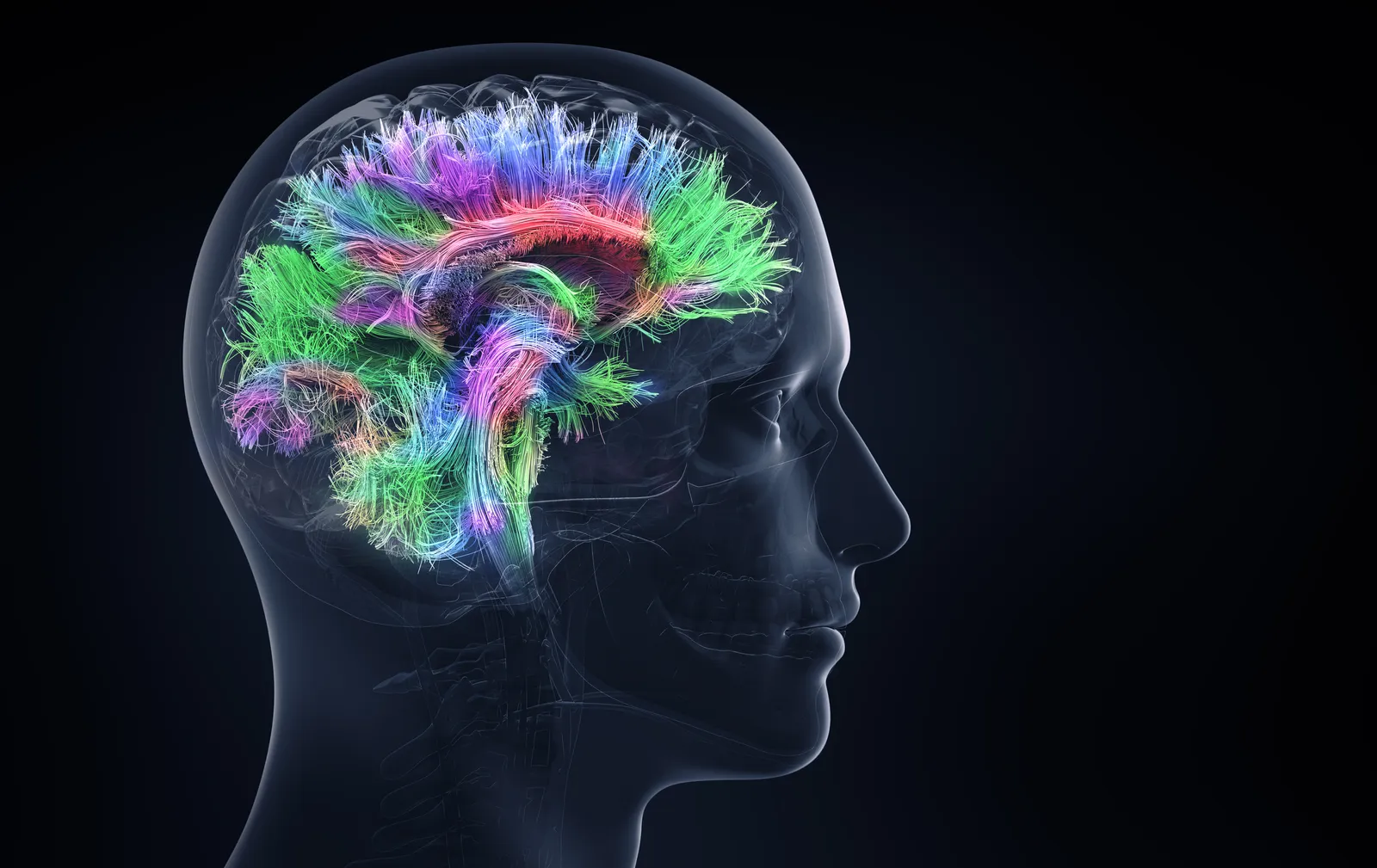
Brain fog describes temporary cognitive impairment — disorientation, trouble organizing your thoughts, slowed recall, or a feeling of mental heaviness. It is a symptom, not a diagnosis, and it is often linked to stress, anxiety, and reduced cerebrospinal fluid flow within the craniosacral system.
For many people in the fast pace of New York City, fog creeps in gradually: tasks that used to feel effortless start to take longer, words sit on the tip of the tongue, and the mind feels as though it is moving through mud. Because brain fog is a signal rather than a condition in itself, the most helpful first step is understanding what may be driving it.
Common signs of brain fog
- Difficulty focusing on tasks, or finishing them efficiently.
- Short-term memory lapses — forgetting passwords, names, or where you placed everyday items.
- Feeling sluggish, with ordinary tasks taking longer than usual.
- Tender points in the face or head, or a sense of mental heaviness.
The good news is that brain fog is often reversible. A calm, hands-on approach combined with supportive self-care can help many people regain focus and mental clarity — gently, and without forceful techniques. Craniosacral Therapy seeks to restore ease in the cranial system so the body's own balance can return.
Please note: brain fog can have medical causes. If your symptoms are severe, persistent, or worsening — or if they appear alongside sudden confusion, a severe or unusual headache, vision changes, weakness, numbness, fever, or difficulty speaking — see a physician promptly. Craniosacral Therapy is gentle, complementary care; it does not diagnose, cure, or replace medical evaluation and treatment.
Why brain fog shows up
Brain fog rarely has a single cause. More often it is the result of several factors stacking together — the demands of daily life, poor rest, and sometimes an underlying health issue that deserves a doctor's attention. Recognizing the contributors that apply to you helps shape both the care plan and the self-care that supports it.
- Stress and anxiety that raise sympathetic ("fight-or-flight") tone and create mental fatigue.
- A lack of restorative sleep, or disrupted REM cycles.
- Medication side effects that can affect cognition.
- Dietary factors such as B12 deficiency or poor-quality nutrition.
- Underlying conditions such as thyroid imbalance, diabetes, dehydration, autoimmune issues, or neurodegenerative change.
Because some of these contributors are medical, it is worth reviewing persistent fog with your physician — especially where thyroid, blood sugar, autoimmune, or neurological causes may be involved.
Restoring clarity with Craniosacral Therapy
Craniosacral Therapy is a gentle, light-touch method that works with the body's natural rhythms rather than against them. For brain fog, the goal is to reduce the physical tension and nervous-system overload that so often accompany it, so the mind can settle. In practice, care aims to:
- Support cerebrospinal fluid flow to help nourish the brain and clear metabolites.
- Lower sympathetic tone to improve sleep quality and reduce overall stress load.
- Reduce inflammation and support immune balance.
- Enhance brain function by improving circulation and oxygenation.
Sessions are gentle, non-invasive, and tailored to your comfort level.
Your visit, in three steps
-
1Thoughtful assessmentA discussion of your history, current symptoms, stress and sleep patterns, and goals — so the plan reflects what your body actually needs, and so any red flags are referred to a physician.
-
2Gentle hands-on sessionLight, focused hand placement along the head, neck, spine, and related areas to ease restriction and support cerebrospinal fluid flow. No cracking, no forceful manipulation.
-
3Home care & follow-upSupportive guidance on stress, sleep, and self-care between visits, including breathing techniques, with a follow-up plan aligned to your goals.
Craniosacral Therapy is a gentle, complementary approach. It is not a substitute for medical diagnosis or treatment, results vary from person to person, and no specific outcome is guaranteed.
Brain fog and Craniosacral Therapy: FAQ
Is brain fog a medical diagnosis?
No. Brain fog is a symptom, not a diagnosis. It describes temporary cognitive impairment such as disorientation, trouble organizing thoughts, and slowed recall. Because it can have many causes, a physician should evaluate persistent or worsening symptoms to rule out underlying conditions.
How does Craniosacral Therapy help with brain fog?
Craniosacral Therapy is a gentle, hands-on approach that aims to support cerebrospinal fluid flow, lower sympathetic "fight-or-flight" tone, and improve circulation and oxygenation. By helping the nervous system settle, it may support clearer thinking and calmer focus. It is complementary care and does not replace medical diagnosis or treatment.
Is the treatment painful or forceful?
No. Sessions use light, focused hand placement and involve no cracking or forceful manipulation. The approach is non-invasive and tailored to your comfort level. Many patients find sessions deeply relaxing, and the touch is adjusted at any point if anything feels uncomfortable.
Is brain fog reversible?
Brain fog is often reversible. A calm, hands-on approach combined with supportive self-care around stress, sleep, and nutrition can help many people regain focus and mental clarity. Results vary from person to person.
When should I see a doctor instead?
See a physician if brain fog is severe, persistent, or worsening, or if it comes with warning signs such as sudden confusion, severe headache, vision changes, weakness, numbness, fever, or difficulty speaking. Craniosacral Therapy complements medical care; it does not replace it.
Ready to clear the fog?
Call or send a request and the office will follow up about your questions, availability, and next steps.