TMJ discomfort
Jaw discomfort often has contributing patterns elsewhere in the body, not only at the joint itself.
Cerebrospinal fluid (CSF) is the body's fluid life force — produced in the brain and flowing along the spine. Craniosacral Therapy in New York City focuses on restoring ease in this system so the whole body can function and heal more freely.
Gentle, hands-on care · Dr. Alex Kaminsky, D.C. · Midtown Manhattan
Unprocessed physical or emotional experiences can dampen CSF flow and create holding patterns. Gentle, non-invasive hands-on care aims to help the body release these patterns and recover its natural balance.
Cerebrospinal fluid (CSF) is produced in the brain and flows through the head and the spinal canal. It is a major component of the central nervous system and acts as a hydraulic, energetic driver of the body's self-regulatory and restorative mechanisms. In simple terms, CSF is the body's fluid life force.
The craniosacral mechanism is the system that pumps this fluid through both anatomical and energetic pathways. When the flow is free and unobstructed, the body can nourish its tissues, regulate the nervous system, and sustain healthy function. Craniosacral Therapy is built around supporting this gentle, rhythmic motion rather than forcing it.
The understanding behind this work developed over the last century. Dr. William Sutherland described the craniosacral system in the 1930s, observing that the bones of the skull and the structures along the spine move in a subtle, rhythmic way. Decades later, in the early 1980s, Dr. John Upledger developed Craniosacral Therapy as a hands-on method to work directly with this system.
Restrictions in CSF flow can form when the nervous system cannot fully process stored physical or emotional experiences. These restrictions can, in turn, contribute to pain, a range of symptoms, and various conditions. The aim of gentle craniosacral work is to help the body identify and release those restrictions so that fluid flow — and the function it supports — can return to a more natural, balanced state.
Beyond its physical structures, the body can be understood to include energetic components: chakras, meridian points, channels, health rays, and the biofield. When these energetic centers are compromised, they can contribute to symptoms and conditions alongside more familiar structural factors.
In this view, the energetic and physical bodies are closely connected. Experiences that the nervous system has not fully processed do not simply disappear — they can become trapped, dampening the free movement of the life force and showing up later as discomfort or dysfunction.
Skilled, gentle hands-on care can help release stagnant patterns, while supportive home practices help maintain that balance between visits.

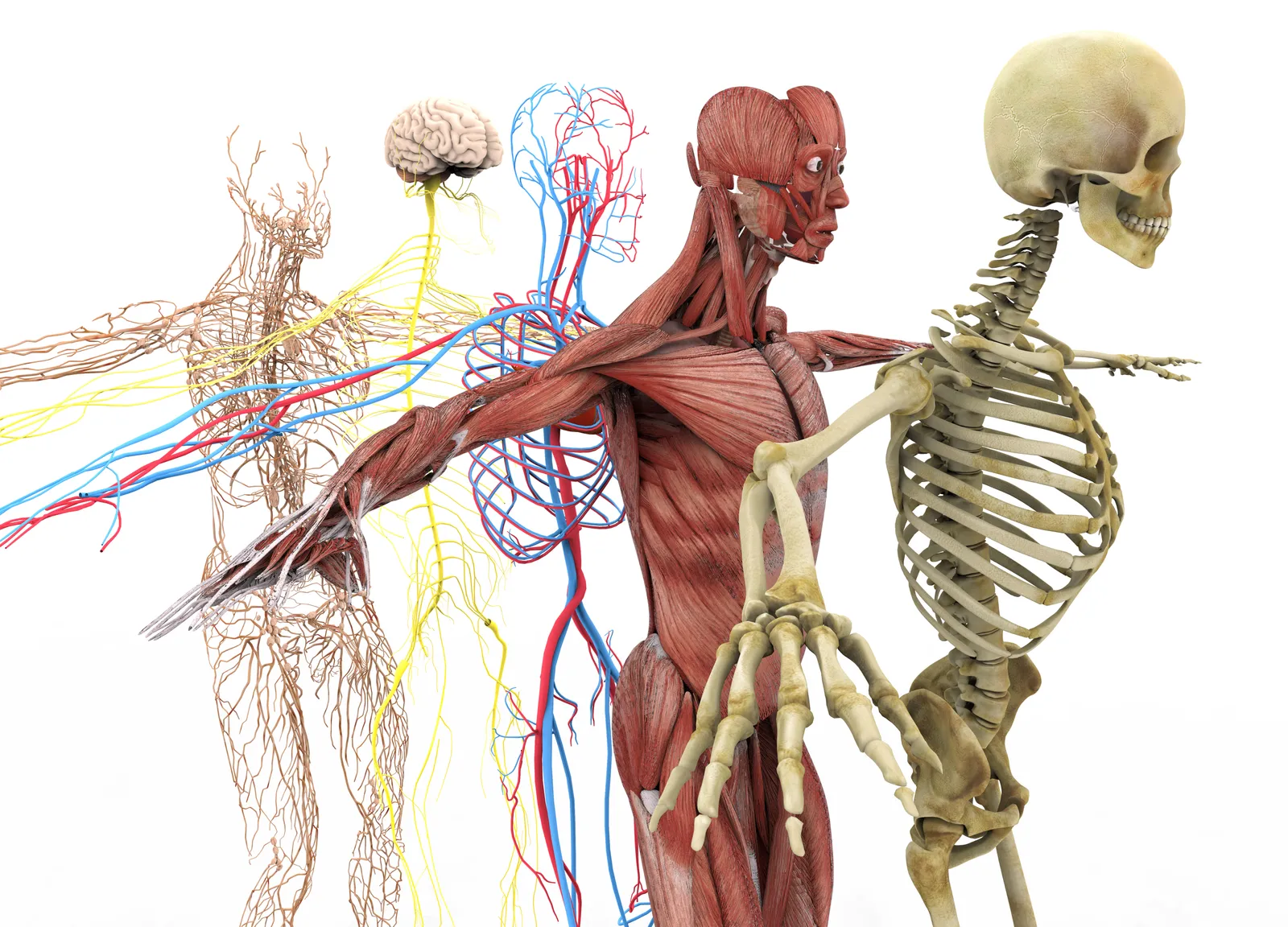
The nervous, muscular, skeletal, and circulatory systems are all interconnected, and cerebrospinal fluid touches the core of that web through the central and peripheral nervous systems. Because of this, the place where pain appears is not always where the underlying pattern lives.
A restriction in CSF flow or in the energetic body can ripple outward, influencing how a joint moves, how a muscle holds tension, or how the nervous system responds to everyday stress. This is why craniosacral work tends to look at the whole person — gently evaluating the head, spine, and surrounding structures — rather than treating a single spot in isolation.
The goal is not to override the body but to support its innate ability to regulate and heal itself. By easing restrictions and encouraging free, rhythmic flow, gentle hands-on care helps the body reclaim balance so its own self-correcting mechanisms can do their work.
Compromised craniosacral or energetic flow can contribute to a wide range of concerns. Craniosacral Therapy, Somato Emotional Release, Vagus Nerve Toning, and Myofascial Release may help support the body in restoring balance.
Please note: Craniosacral Therapy and related methods are gentle, non-invasive, and complementary — they do not diagnose, cure, or replace medical care, and results vary from person to person. For red-flag concerns such as a head injury or concussion, a high fever, a suspected ear infection, persistent reflux or vomiting, or any sudden or worsening neurological symptom — especially in infants and children — see a physician promptly to rule out conditions that need medical attention. Each plan is individualized; discuss your goals with Dr. Kaminsky to learn how these methods may support you.
Craniosacral Therapy works with — not against — the body's natural rhythms. Using a light, attentive touch, the goal is to locate areas of restriction and gently encourage the system to let them go, so cerebrospinal fluid and energetic flow can move freely again.
Tissue can tighten and hold tension anywhere in the body. Craniosacral Therapy can help you release tension and restore the body's normal, non-painful physical state.
Craniosacral Therapy is a complementary approach intended to support the body's own healing. It is not a substitute for medical diagnosis or treatment, and outcomes are not guaranteed.
Cerebrospinal fluid is a fluid produced in the brain that flows through the head and along the spinal canal. It is a major component of the central nervous system and helps nourish and protect the central and peripheral nervous systems.
It is the system that pumps cerebrospinal fluid through anatomical and energetic pathways. Dr. William Sutherland described the craniosacral system in the 1930s, and Dr. John Upledger developed Craniosacral Therapy in the early 1980s to work with it.
When the nervous system cannot fully process stored physical or emotional experiences, restrictions in CSF flow can form. These restrictions can contribute to pain, symptoms, and various conditions. Freeing them supports the body's self-regulation and self-healing.
No. Craniosacral Therapy is a gentle, non-invasive, complementary approach that supports the body's own healing. It does not replace medical diagnosis or treatment, results vary from person to person, and it is not a guaranteed cure.
Dr. Alex Kaminsky, D.C., a Certified Craniosacral Therapist with over 25 years of experience, sees patients at 36 East 36th Street, New York, NY 10016, in Midtown Manhattan. You can reach the office at 212-328-1180.
Call the office or send a request and the practice will follow up about your questions, availability, and next steps.