
Colic Treatment for Infants with Craniosacral Therapy in New York City
Soft, non-invasive craniosacral therapy to ease infant colic and support calmer digestion. Gentle, hands-on care can help reduce tension and improve comfort so babies — and parents — can rest a little easier.
Dr. Alex Kaminsky, D.C., Certified Craniosacral Therapist · treating patients for over 25 years
No cracking and no forceful moves — just light, soothing techniques tailored to your baby, offered as a complement to your pediatrician's care.
Understanding infant colic
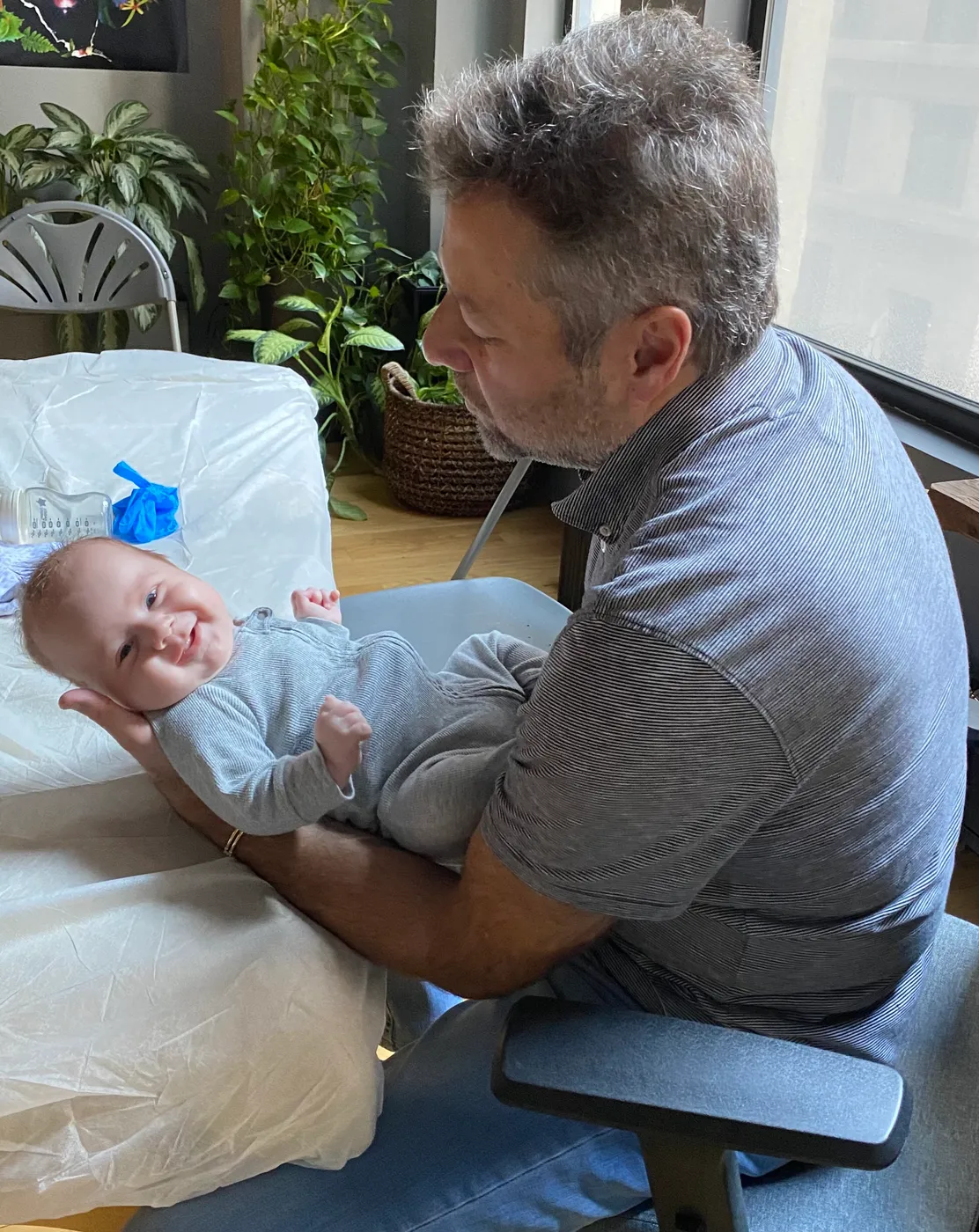
Colic describes long, intense bouts of crying in an otherwise healthy, well-fed baby. It typically begins between the third and sixth week after birth. During an episode, babies cry intensely, often clench their fists, and pull their legs toward the belly as if trying to relieve gas. For many families in New York City, those evening crying windows can feel relentless — and exhausting for everyone in the home.
Clinicians commonly recognize colic by the "rule of threes": crying that lasts more than three hours a day, occurs more than three days a week, and continues for three or more weeks. The crying often happens around the same time each day, and a baby may become tense or rigid in the process. Sleep is frequently disrupted, which affects both the infant and their caregivers, and feeding can be difficult because of gastrointestinal discomfort.
What colic feels like at home
- Crying that fits the "3s" — 3+ hours a day, 3+ days a week, lasting 3+ weeks.
- Episodes that tend to occur at the same time daily, with the baby becoming tense or rigid.
- Disrupted sleep that affects both infants and the adults caring for them.
- Feeding that becomes difficult because of gastrointestinal discomfort.
The reassuring news is that most babies outgrow colic on their own. Gentle support during those weeks will not rush nature, but it can ease the experience for everyone involved while the colicky phase runs its course.
Colic is a diagnosis of exclusion. Always have your baby evaluated by a pediatrician first. Seek prompt medical attention for fever, poor feeding, vomiting, blood in the stool, breathing difficulty, unusual lethargy, or crying that seems different or is getting worse — these can be warning signs of another condition. Craniosacral therapy is a gentle, complementary approach and does not replace medical diagnosis or treatment.
Why colic may appear
No single cause explains every case of colic, and theories vary. Several factors are commonly discussed as possible contributors:
- Milk protein allergy, or sensitivities to foods in a breastfeeding parent's diet.
- An immature digestive system that leads to gas and discomfort.
- Overstimulated senses, or difficulty self-soothing.
- Musculoskeletal tension from birth positioning or early stress.
That last point is where gentle hands-on care can play a supporting role. The journey through the birth canal and the demands of early life can leave tightness in a baby's small, still-developing body. Easing that tension will not "cure" colic, but it may help a baby feel more comfortable.
Gentle craniosacral support
Craniosacral Therapy (CST) is a light-touch, non-invasive method. With a colicky infant, the goal is comfort: helping the body release tension so the nervous system can settle. In practice, that may mean:
- Releasing stress and tension to help calm the nervous system.
- Encouraging freer cerebrospinal fluid flow and overall comfort.
- Easing digestive discomfort that may be linked to gas or tightness.
- Helping babies relax for better feeding and sleep.
Hands-on work is light, soothing, and tailored to each infant. Dr. Kaminsky often combines CST with related gentle methods such as myofascial release and vagus nerve toning when appropriate. Results vary from baby to baby, and care is always offered alongside — never instead of — your pediatrician's guidance.
Comfort-focused, unhurried sessions
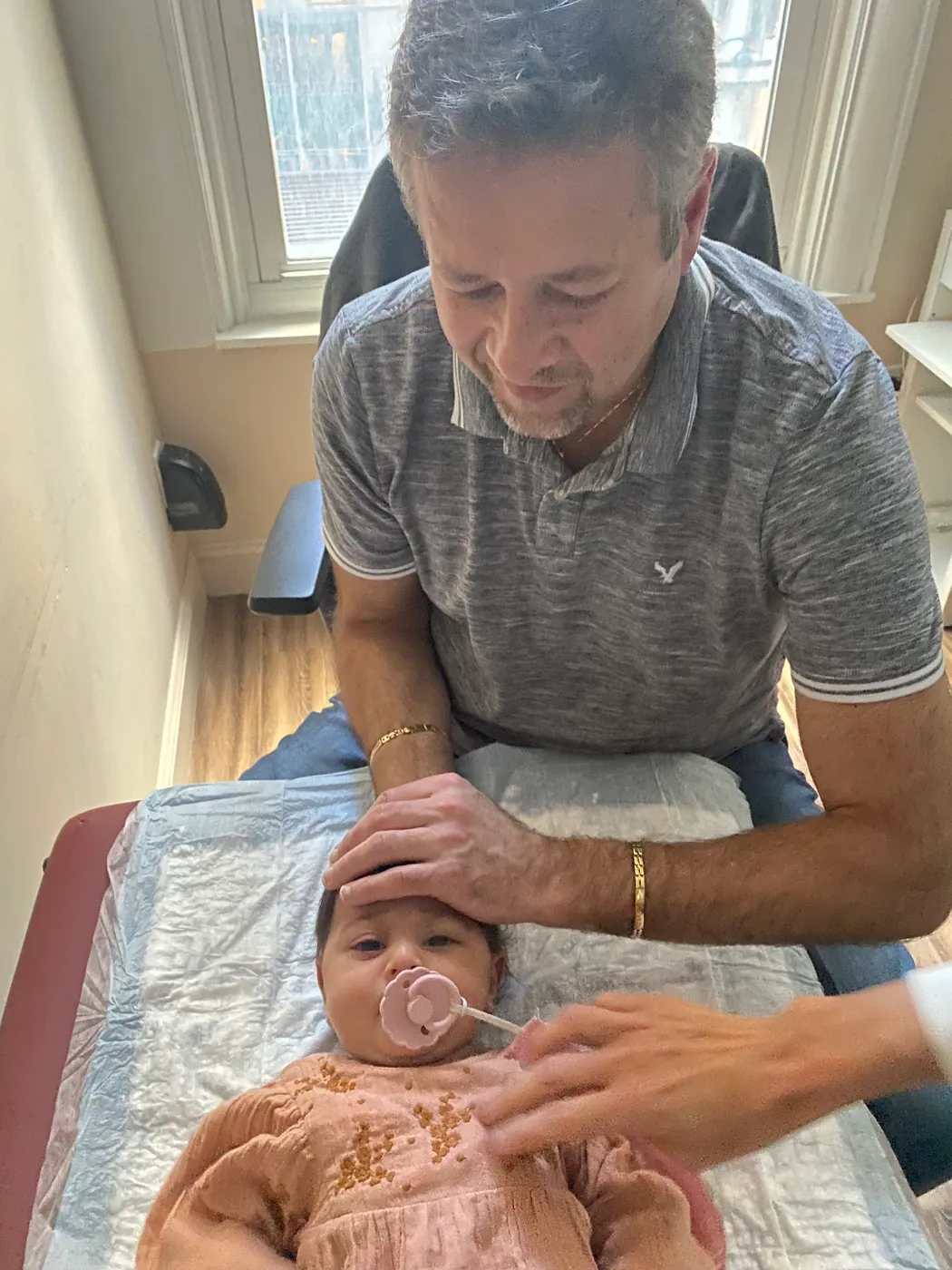
Appointments are quiet and gentle. Sessions aim to relax tight areas around the stomach and colon, helping babies release stored tension and settle more easily.
There is no cracking and there are no forceful movements — only light, attentive hand placement. Parents stay close throughout, and the pace follows the baby's cues. The practice is located in a calm, private setting at 36 East 36th Street in Midtown Manhattan, NYC 10016.
Colic is part of a broader picture of early development. If you are exploring related concerns, you may also want to read about our pediatric craniosacral therapy, reflux support, and tongue-tie care, which can affect feeding comfort.
Practical steps for parents
Everyday routines at home can work hand in hand with in-office care. These gentle strategies are widely used by families, but check with your pediatrician before changing how you feed your baby.
- Consider removing cow's milk protein, and discuss hypoallergenic options with your pediatrician.
- Offer smaller, more frequent upright feedings, and burp gently.
- Swaddle during naps and bedtime to reduce overstimulation.
- Maintain a calm, dim environment during typical crying windows.
Combining home strategies with craniosacral therapy can help ease colic episodes and make daily routines more manageable for the whole family. Every baby is different, so give changes a little time and watch how your baby responds.
Colic and craniosacral therapy: FAQ
What is infant colic?
Colic describes long bouts of intense crying in an otherwise healthy, well-fed baby. It is commonly defined by the "rule of threes": crying for more than 3 hours a day, more than 3 days a week, for 3 or more weeks. It typically begins between the third and sixth week after birth.
Can craniosacral therapy cure colic?
No. Craniosacral therapy does not cure colic and is not a substitute for medical care. It is a gentle, non-invasive, complementary approach that aims to release tension and calm the nervous system so a baby can settle more easily. Most babies outgrow colic over time, and results vary from child to child.
Is craniosacral therapy safe and comfortable for babies?
Sessions use very light, hands-on touch with no cracking and no forceful movements. The work is soothing and tailored to each infant, and parents stay close throughout.
What can I try at home for colic?
Parents can offer smaller, more frequent upright feedings and gentle burping, swaddle during naps and bedtime, and keep a calm, dim environment during typical crying windows. Discuss removing cow's milk protein or hypoallergenic options with your pediatrician before changing feeding.
When should I call the pediatrician?
Colic is a diagnosis of exclusion. Contact your pediatrician promptly for fever, poor feeding, vomiting, blood in the stool, breathing trouble, lethargy, or any crying that seems different or worsening, so warning signs of another condition can be ruled out.
This information is educational and does not replace medical advice. Craniosacral therapy is a gentle, complementary approach; it does not cure colic, and results vary. Always consult your pediatrician for diagnosis and for any warning signs.
Ready to help your baby settle?
Call the office or send a request and the practice will follow up about availability, your questions, and next steps.