
Post-Concussion Treatment in New York City
Your scans came back normal, but you still don't feel like yourself. Headaches, brain fog, neck tension and poor sleep can hang on for weeks or months after a concussion. Gentle craniosacral therapy is light-touch care that helps calm the nervous system while you heal.
Dr. Alex Kaminsky, D.C. · Certified Craniosacral Therapist · Licensed chiropractor since 2000
A soft-touch approach in Midtown Manhattan that works with your medical care. No cracking and no forceful adjustments.
Understanding the injury
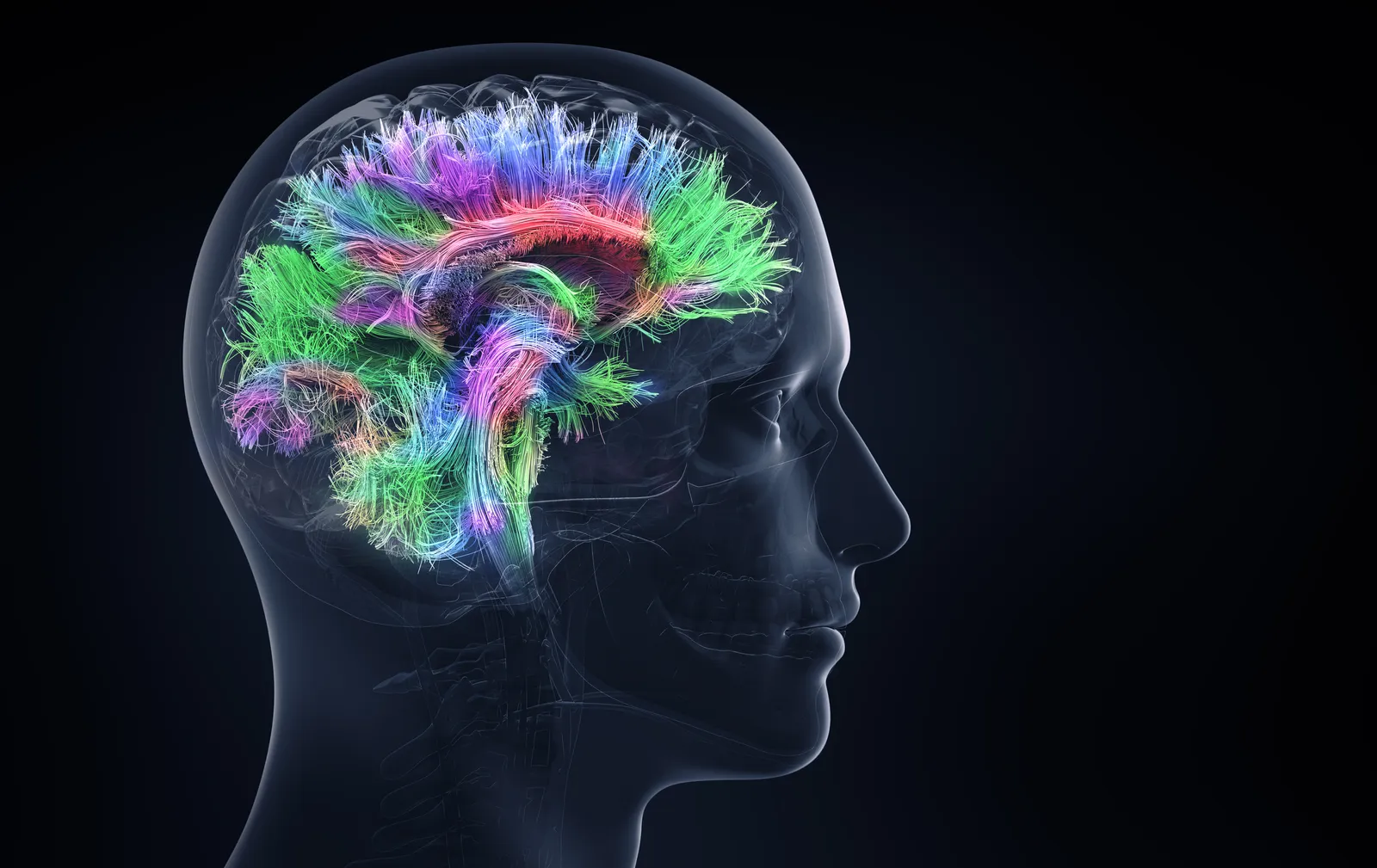
A concussion happens when the head moves fast and hard. It can come from a fall, a collision, a car or bike crash, or even violent shaking. That sudden movement can strain the brain's blood vessels and nerve cells. The CDC notes that you can't see a concussion, and early scans are often normal.
After the hit, the brain and the tissues around it may stay sore and tense while they heal. Symptoms range from dizziness and headaches to fog and mood changes. They may show up right away, or hours or days later.
Common symptoms after a concussion
- Foggy thinking and memory problems.
- Ringing in the ears, or being bothered by light and noise.
- Tightness in the head, neck or shoulders.
- Symptoms that start right away, or after a delay.
- Changes in sleep, either more or less than usual.
Post-concussion syndrome
When symptoms last, doctors may call it post-concussion syndrome. Along with headaches and fog, it can bring worry, crankiness or low mood. For many people, the hardest part is being told to just wait it out. Keep track of how you feel in the weeks after the injury. Share any changes with your doctor.
Get emergency care right away for warning signs. These include a headache that gets worse, loss of coordination, throwing up again and again, slurred speech, or growing confusion or sleepiness. A doctor should always check a head injury first. Craniosacral therapy supports that care. It doesn't replace a medical exam or treatment.
How craniosacral therapy supports recovery
Craniosacral therapy (CST) works with the craniosacral system. That's the skull, spine and sacrum, plus the fluid and layers around the brain and spinal cord. The goal is to ease tightness and help fluid flow well. After a concussion, this gentle work may help ease headaches, neck and back pain, and the tension that often comes with post-concussion syndrome.
A hit to the head often strains the neck too. Many people worry about having their neck cracked after a head injury. Dr. Kaminsky doesn't crack the neck. He uses slow, very light hand placement with no force. That's one reason many people find CST comfortable while they heal.
What gentle CST aims to support
- A calmer, more settled nervous system.
- Release of tightness in connective tissue and energy.
- Healthy fluid flow around the brain and spinal cord.
- Relief from headaches, and from neck and back tension after the injury.
Every injury is different, so each session fits what your body needs that day. CST works alongside, never instead of, the care your doctor directs.
What experts and research say
Brain injury specialist Elizabeth Sandel, M.D., has written that craniosacral therapy can help with headaches and the neck and back pain common in post-concussion syndrome. A 2017 case series in the journal Medical Acupuncture followed retired NFL and Canadian Football League players with post-concussion syndrome. They had 10 sessions of CST combined with visceral and neural manipulation. Afterward, they showed clear gains in pain, range of motion, memory, thinking and sleep.
CST does not cure concussion, and results vary from person to person. Always have a head injury checked by a doctor, and follow their advice.
Your visit, in three steps
Care is calm, private and paced to your healing. A first visit takes about 60 minutes. Follow-up visits take about 40 minutes.
-
1AssessmentWe talk about your history, your concussion, your symptoms and your goals. That way, care fits what your body needs.
-
2Gentle hands-on sessionLight, focused hand placement along the head, neck, spine and sacrum. This eases tightness and supports fluid flow. No cracking, no force.
-
3Home care and follow-upSimple self-care between visits that fits your doctor's plan. Your follow-up schedule matches your recovery.
What the research says
Research on craniosacral therapy is still growing. Here's one study on long-term concussion symptoms.
- A 2017 study followed 11 retired pro football players with long-term concussion symptoms. After 10 sessions of craniosacral therapy and two related hands-on methods, they had less pain and better memory, thinking, sleep, and neck movement.
Results vary from person to person. This kind of hands-on care works alongside care from your doctor. It doesn't replace it.
Concussion care: common questions
Can craniosacral therapy help concussion symptoms, even years later?
In Dr. Kaminsky's experience, yes. He has seen CST help clear up lingering symptoms like headaches and neck or back tension, even many years after the injury. It's gentle care that works with your doctor's care. Results vary from person to person.
My scans were normal, but I still feel off. Can CST help?
Normal scans are common after a concussion. The CDC notes that you can't see a concussion on a scan. If a doctor has ruled out emergencies and symptoms hang on, gentle CST may help ease tension and calm the nervous system. Results vary.
Will you crack my neck?
No. Dr. Kaminsky uses only slow, very light touch. There's no cracking and no forceful adjustment. That matters after a head injury, when the neck may already be strained.
When should I see a doctor instead?
Get emergency care right away for warning signs like a headache that gets worse, loss of coordination, throwing up again and again or slurred speech. A doctor should check the injury first. CST is meant to support that care, not replace it.
Can post-concussion symptoms show up later?
Yes. Symptoms can start right away or show up hours or days later. Some last for weeks or months. Post-concussion syndrome may include headaches, fog, mood changes, worry, crankiness, low mood and sleep changes.
Do you have evening appointments?
Yes. The office is open Monday to Thursday until 9pm and Friday until 6pm, by appointment. It's at 36 East 36th Street, Suite 201, about six blocks from Grand Central. Call or text 212-328-1180.
How long is a visit?
A first visit takes about 60 minutes. Follow-up visits take about 40 minutes.
Ready to support your concussion recovery?
Call or text the office, or send a request. The office will follow up about your questions, open times and next steps. Care is at 36 East 36th Street, Suite 201, New York, NY 10016.