
Breathing Techniques and Craniosacral Therapy in New York City
Conscious breathwork pairs naturally with craniosacral therapy to calm the nervous system, improve oxygenation, and release held patterns. In Midtown Manhattan, Dr. Alex Kaminsky teaches gentle techniques you can use anywhere to feel clearer, steadier, and more grounded.
Certified Craniosacral Therapist · guided breathwork · Midtown Manhattan
Techniques inspired by the work of Dr. Gay Hendricks and customized by Dr. Kaminsky to support relaxation, emotional release, and better sleep — a gentle, no-force approach.
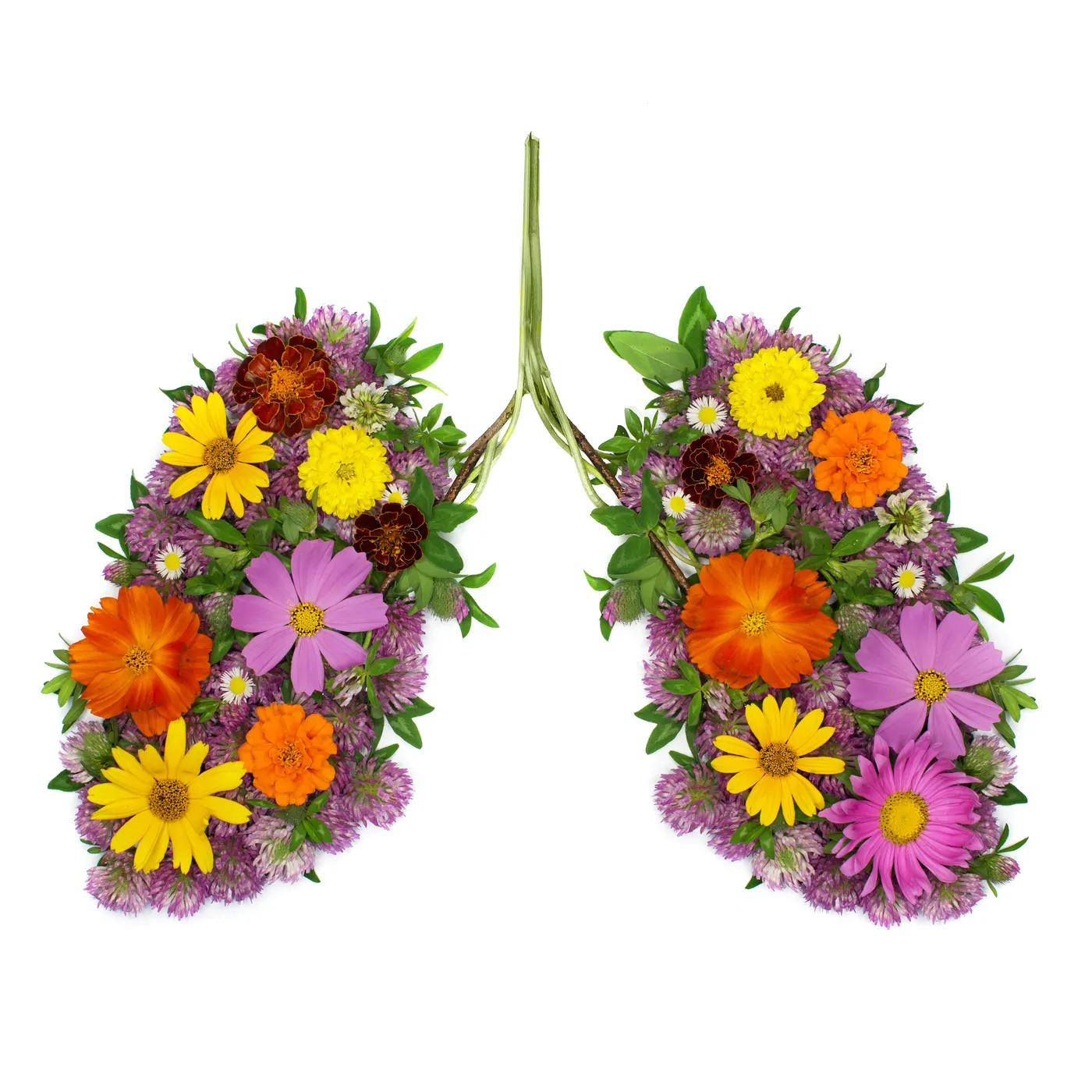
Breathing techniques for everyday needs
Breathing is the one essential function we can both let run on autopilot and consciously guide. That makes it a powerful, always-available tool. In this practice, breathwork is tailored to a range of everyday needs — relaxation, sleep, anxiety relief, athletic performance, labor support, and vocal strength. When paired with craniosacral therapy, it helps re-pattern the body to breathe with greater ease.
The aim is simple and practical: gentle, repeatable exercises that fit into real life in New York City — at your desk, on the train, between meetings, or before sleep. Nothing about the approach is forceful. You are learning to work with your breath rather than push against it.
How conscious breathwork may help
- Gentle exercises to calm stress, improve sleep, and steady focus.
- Supportive for asthma control, running, singing, and easing shortness of breath.
- Quick practices you can do almost anywhere in two minutes or less.
- Encourages diaphragmatic, belly-led breathing to support efficient recovery.
Breathwork here is always complementary. It supports — and never replaces — care from your physician, and it is not a treatment or cure for any medical condition.
Proper breathing is trainable
Most of us breathe far more shallowly than we realize — roughly four out of five adults breathe shallowly, drawing air into the chest rather than letting the belly and diaphragm do the work. The good news is that breathing is trainable. Conscious breathwork helps restore healthy abdominal breathing, supports a better oxygen and carbon-dioxide balance, and aids nervous-system regulation.
What better breathing may support
- May help with patterns linked to depression, anxiety, headaches, TMJ, chronic pain, and scoliosis-related tension.
- Breath correction can quickly quiet fight-or-flight chemistry.
- Healthy breathing is circular and flowing — no forced chest inflation.
- Supports emotional balance by reducing background stress and fatigue.
What you will learn
- Abdominal "belly" breathing to maximize lung expansion and relaxation.
- Conscious breathing to regain centered, flowing breath after stress.
- Yes Breath and Centering Breath to reset posture and calm the mind.
- Quick scans to notice and release held tension in the face, neck, and shoulders.
Instruction draws from Gay Hendricks' work and Dr. Kaminsky's own hands-on methods, adapted to what your body needs on the day of your visit.
Results vary from person to person, and breathwork does not replace medical diagnosis or treatment. If you have asthma, a heart or lung condition, or experience persistent shortness of breath, dizziness, or chest pain, please see your physician — these can be warning signs that need medical evaluation.
Releasing stored feelings
Breath and emotion are closely linked. Stress, fear, and past trauma can lock breathing into shallow, fight-or-flight patterns that linger long after the moment has passed. Conscious breathing creates a little space — room to feel and release emotions, which can ease muscle tension and support better alignment.
Using breath to work with feeling
- Use breath to notice anger, fear, or sadness without judgment.
- Emotion scans help locate where feelings seem to sit in the body.
- Conscious breathing offers a steady anchor during emotional work.
- Pairing breathwork with craniosacral therapy can deepen somato-emotional release.
If you would like to explore the emotional side of this work more fully, you can read about Somato Emotional Release and how it fits within a craniosacral therapy session.
Breathing you can use anywhere
Lasting change comes from small, consistent practice. Short, repeatable exercises — at your desk, in a meeting, or before sleep — build healthy habits over time. Many patients report feeling positive changes within days of starting simple techniques.
How a home practice takes shape
- Two-minute resets to calm the mind and improve focus.
- Structured progress from foundational to more advanced techniques.
- Pairs with craniosacral sessions to reinforce nervous-system balance.
Between visits, the same self-care breathing supports the gentle, hands-on work done in the office. It is a natural complement to the home-care guidance Dr. Kaminsky offers as part of ongoing follow-up sessions, and it sits comfortably alongside vagus nerve toning for patients working toward a calmer, more balanced nervous system.
Breathing techniques: frequently asked questions
What are breathing techniques in this practice?
They are gentle, conscious breathwork exercises that Dr. Kaminsky teaches alongside craniosacral therapy to help calm the nervous system, improve oxygenation, and release held patterns. They draw on the work of Dr. Gay Hendricks and are customized to each person.
Do I have to do breathwork to receive craniosacral therapy?
No. Breathing techniques are complementary. They are offered as supportive, optional self-care that can reinforce the relaxation and nervous-system balance many people seek from craniosacral therapy.
How quickly might I notice a difference?
Many patients report feeling positive changes within days of practicing simple techniques. Responses are individual and vary from person to person, and breathwork is not a treatment or cure for any medical condition.
Can children practice these breathing techniques?
Gentle breathing can be introduced in age-appropriate ways. For any child with difficulty breathing, persistent shortness of breath, or a diagnosed condition such as asthma, see a physician first and treat breathwork only as a complement to medical care.
Is breathwork a substitute for medical treatment?
No. Breathing techniques and craniosacral therapy are gentle, non-invasive, complementary practices. They do not diagnose, treat, or cure disease and do not replace evaluation or care from your physician.
Ready to breathe with ease?
Call the office or send a request and the practice will follow up to discuss your questions, availability, and next steps. The office is at 36 East 36th Street, Ste 201, New York, NY 10016.